
BRE 365 Soakaway Testing
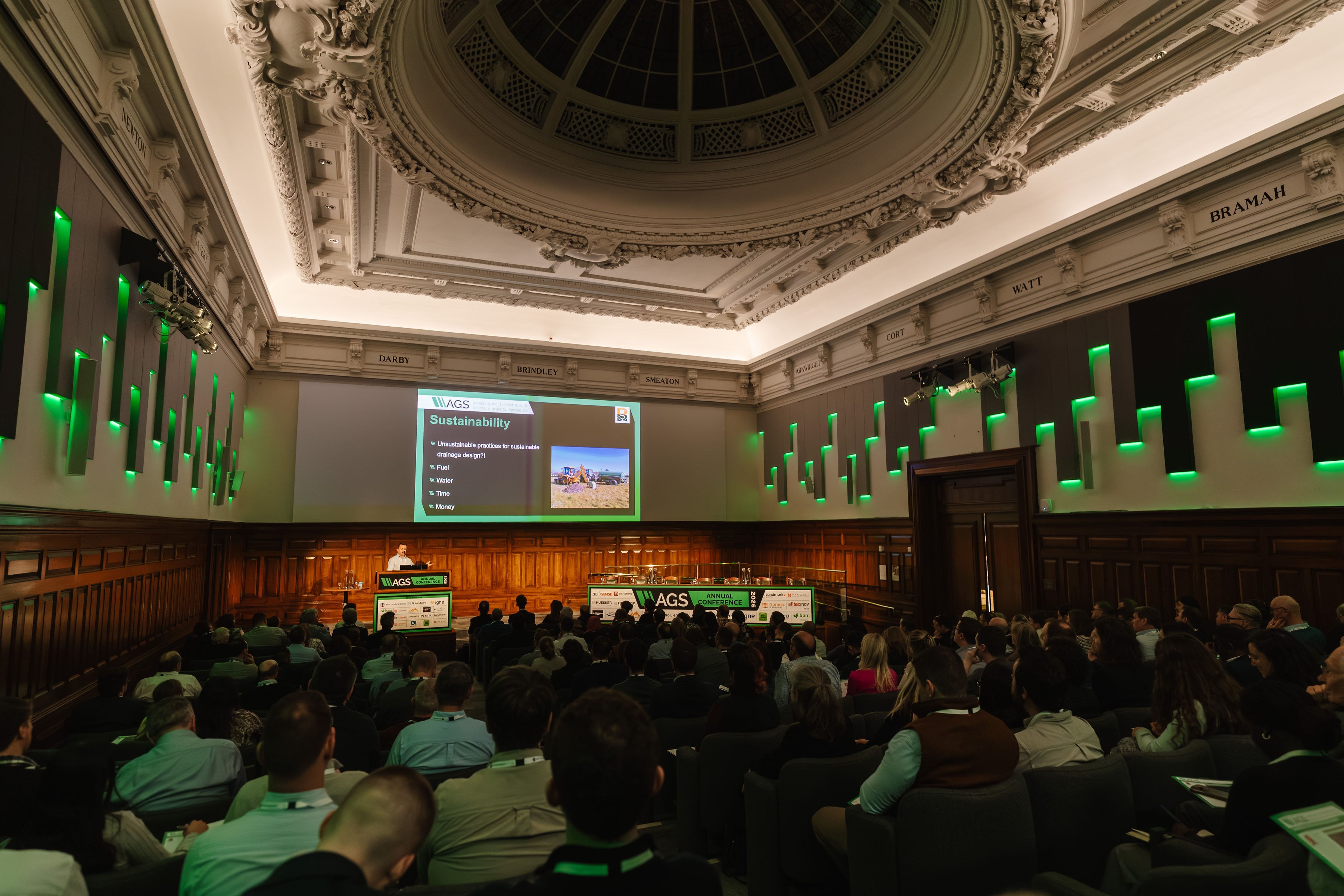
Simon Ruddlesden was pleased to present at the AGS Annual Conference, to talk about BRE 365 soakaway testing, asking the question, though not necessarily providing the answer:
Should we be carrying out BRE 365 soakaway testing in geologies where previous testing has shown soakaway/ infiltration drainage to be unsuitable?
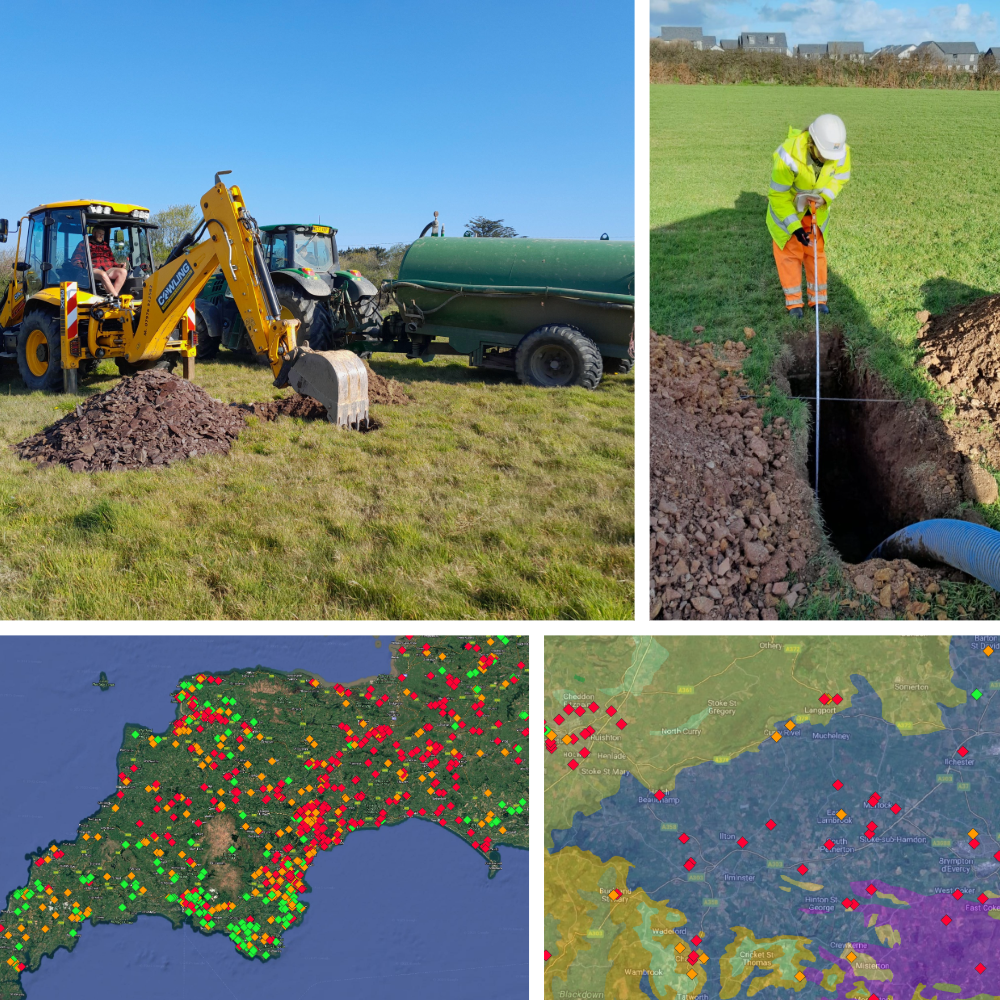
The BRE 365 soakaway test is widely accepted and requested as the field test that is to be carried out to assess the suitability of the ground for soakaway/ infiltration drainage. However, the test is not without danger, mainly due to working at height risks, and it is relatively wasteful of resources, including fuel and water. If previous testing results consistently and convincingly show that certain geologies are unsuitable for soakaway/ infiltration drainage, should a relatively unsafe and not particularly sustainable test be carried out?
Using data from over 5,000 tests on more than 1,200 sites investigated by Ruddlesden geotechnical over the last 20 years, mainly in the South West, there is a clear and understandable correlation between unsuccessful tests and the underlying geology, where the underlying geology comprises predominantly lower permeability mudstones and clays, notably the Mercia Mudstone Group, Lias Group and Oxford Clay Formation, although there are a number of anomalies, which can usually be explained by a closer inspection of the local geology, including superficial deposits.
More data and research will be required if regulators and designers are to accept that no testing is required in certain geologies.
The presentation sparked an interesting discussion afterwards, and it is hoped that it will have inspired others to share their data and/ or offer technical support, to ultimately produce a map that provides confidence to regulators and designers that BRE 365 testing is not required in certain geologies.
Please contact us directly if you would like to discuss this further.